Precision platformer
01
Celeste
A mountain climb built around small, demanding movement puzzles.
Read the reviewArcade games turn simple actions into absorbing challenges. Beneath the bright worlds and quick restarts lies something more: the pleasure of learning through play.
Skill-based playClear game guidesNo betting
Explore the actual mechanics, strengths, and tradeoffs of distinct arcade and arcade-inspired titles.
A mountain climb built around small, demanding movement puzzles.
Read the reviewFamiliar falling blocks become a puzzle experience shaped by sound, light, and rhythm.
Read the reviewA lively team brawler that brings the arcade cartoon tradition into a modern game.
Read the reviewClassic street-fighting structure supported by expressive animation and a deliberate combat rhythm.
Read the reviewAn energetic arcade action game where compact controls meet elaborate pixel animation.
Read the reviewA paddle, a ball, and a wall of bricks create a compact challenge with plenty of motion.
Read the reviewSurvival depends on managing movement as much as deciding where to shoot.
Read the reviewA shovel serves as both a tool for fighting and a way to turn enemies into stepping stones.
Read the reviewAn arcade game puts the action first. You might dodge obstacles, connect pieces, race through corners, or jump between platforms. The goal is easy to grasp; better results come from practice, timing, and decisions.
The format began with dedicated game cabinets and now appears on computers, consoles, phones, and in browsers. A score usually measures your performance inside the game. It is not money, a wager, or a promise of a prize.
Distinct worlds, different challenges. These illustrations show the visual language of each genre, rather than screenshots of a specific release.
Read the level, time the jump, and find a satisfying rhythm.
Explore the genre
Quick decisions and readable tracks turn speed into a skill.
Explore the genre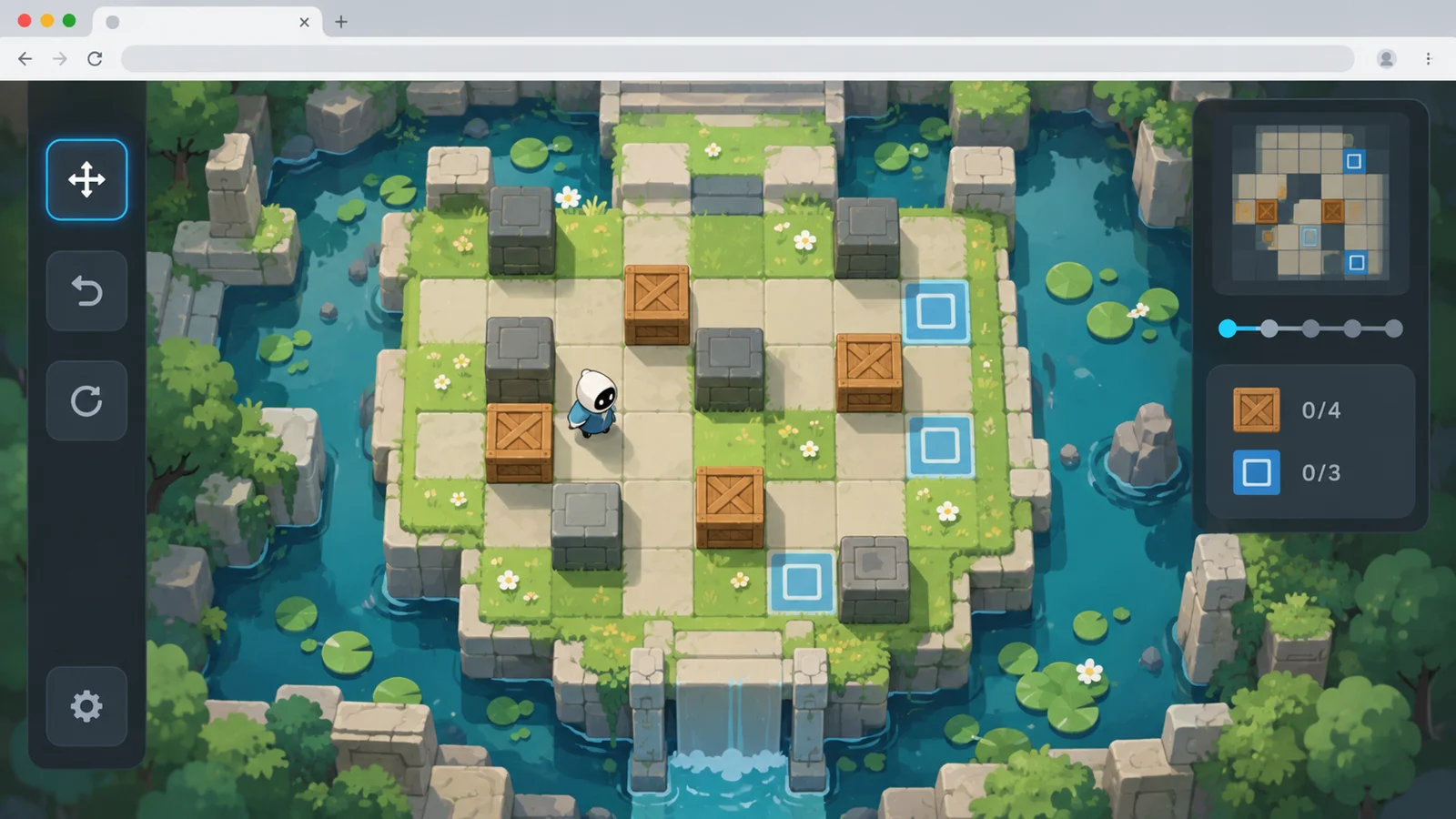
Simple pieces create room for planning, patterns, and clever moves.
Explore the genreA jump, turn, or move should feel connected to your input. Consistency lets you learn what to expect.
Sound, movement, and visible progress explain what worked and what to try differently next time.
Good difficulty develops from established rules. A mistake should teach you something, rather than leave you guessing.
Faster routes, better timing, or smarter combinations give familiar levels a reason to be played again.
Typical session lengths below are starting points for choosing a genre, not specifications for every game.
| Game style | A short session | Common controls | Main challenge |
|---|---|---|---|
| Platform arcade | 5–15 minutes | Move and jump | Timing and route reading |
| Arcade racing | 3–10 minutes | Steer, accelerate, brake | Cornering and reactions |
| Puzzle arcade | 5–20 minutes | Tap, drag, or directional keys | Patterns and planning |
Before choosing a title, check its platform, age rating, input options, accessibility settings, price, and any in-game purchases.
In a busy digital world, a self-contained challenge can offer a welcome change of pace. Shared play also gives friends and families something to talk about, compare, and enjoy together.
The same principles—clear goals, feedback, and gradual challenge—can inform classroom activities, interactive exhibitions, and game design. Their value depends on thoughtful use; a high score alone does not prove better attention or real-world skills.
Explore the wider role of playA missed jump gives you information about distance. A slow lap reveals where you lost speed. A blocked puzzle board shows which move narrowed your options. When feedback is clear, repetition becomes a way to test an idea rather than simply repeat an action.
One player takes a safe route; another looks for a shortcut. Some enjoy an untimed puzzle, while others prefer a fast race. These choices make a compact game feel personal without requiring a long campaign or complicated controls.
Taking turns, comparing routes, and helping someone understand a mechanic can make play a social activity. A cooperative attitude often creates a more welcoming experience than treating every session as a test of who is best.
A clear goal, an immediate response, and a manageable next step can help explain an interactive museum exhibit or a classroom practice activity. The useful lesson is to make participation understandable, then evaluate whether the activity serves its purpose.
A short round does not always mean a short commitment. Find out whether you can pause, save progress, replay a single level, or leave without losing a long sequence of work. A game that respects your schedule is easier to enjoy regularly.
A purchase price, free download, and subscription are different arrangements. Check for advertising, optional purchases, and recurring charges before installing a title. Attractive screenshots do not tell you the total cost of playing.
Readable text, adjustable sound, distinguishable colors, remappable inputs, and reduced motion can affect the experience as much as a new level. Check the actual options offered by the version you intend to use.
A personal best can be satisfying, but so can understanding a puzzle or exploring a new route. Choose goals that make you curious. When play becomes tiring or frustrating, finishing the session is a reasonable choice.
Policy effective date: October 9, 2022. Read how the site handles privacy, browser storage, content, and use.
Learn what the website pages collect, how hosting requests may be processed, and which browser choices remain available to you.
Understand how cookies and browser storage work, and why these static pages do not need tracking tools to deliver their content.
Review the informational purpose of the site, the limits of general guidance, and the conditions for using its content.
See how genre explanations, illustrations, commercial transparency, and product-specific claims are handled.
Choose a challenge that interests you, give yourself time to learn, and finish when it feels right. The best result is a satisfying experience that fits comfortably into your life.