Puzzle arcades: simple pieces, thoughtful decisions
Matching, arranging, and connecting can turn a small board into an absorbing challenge.
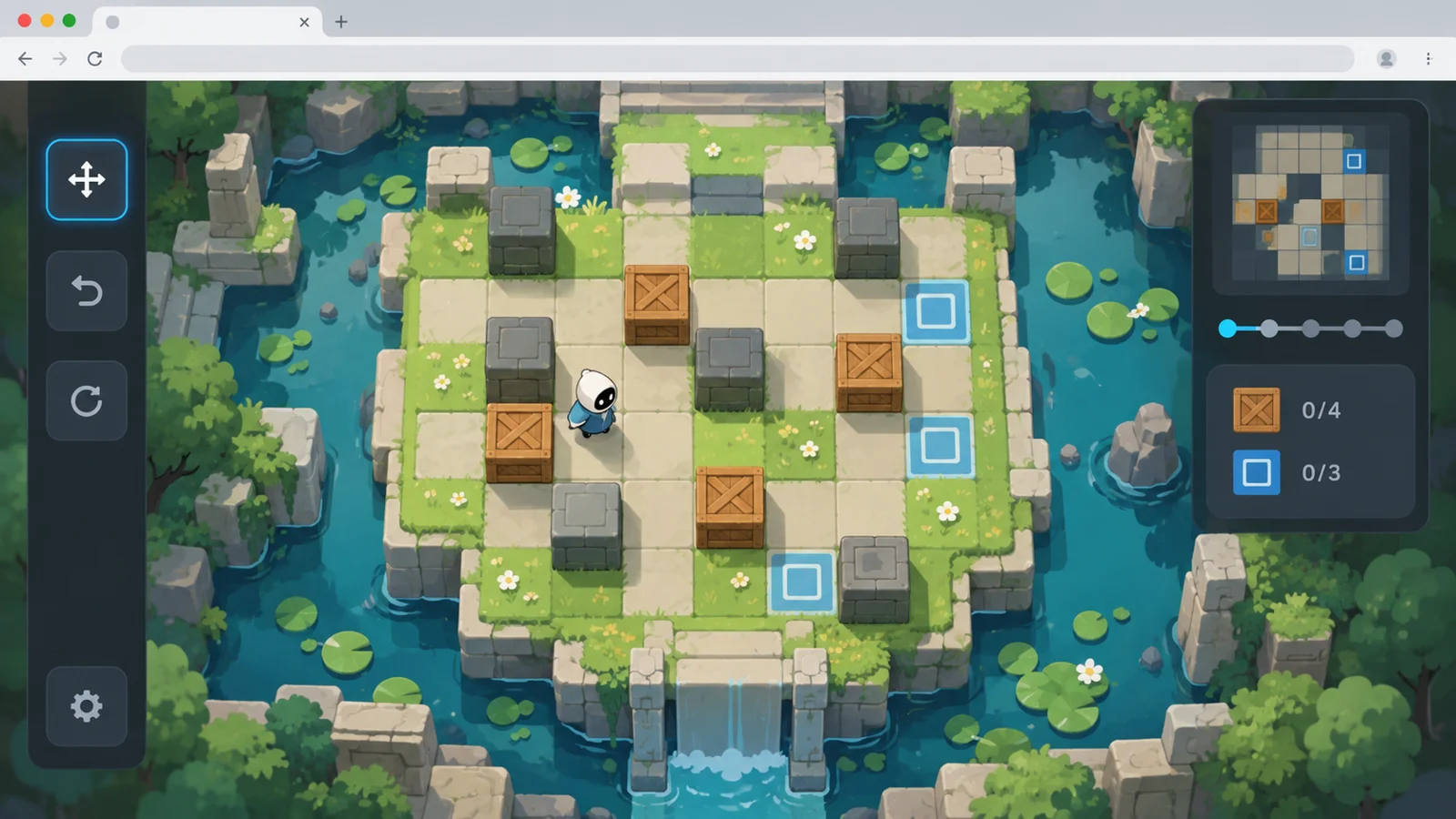
What you do
Work with a limited set of pieces and rules to clear a board, complete a pattern, or reach a target. Some games add a timer; others let you think at your own pace.
Why small rules create depth
One move changes the choices available next. Planning a combination, preserving useful space, or delaying an obvious match can create a more satisfying result. You learn by noticing how the board responds.
Choose the pace carefully
Timed play emphasizes quick recognition. Untimed play leaves more room for experimentation. If you want a relaxed break, check that the game offers an untimed mode rather than assuming every puzzle is slow-paced.
Useful settings
- Symbols or shapes that distinguish pieces beyond color alone.
- An undo option when the rules allow it.
- Clear explanations of combinations and scoring.
- Separate music and sound controls.
A practical starting point
Read the goal, study the board, and make a few deliberate moves. Notice which patterns create more options. Finish with an idea to try next time, rather than a score you feel obliged to beat.